
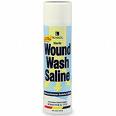
First-aid antiseptics are substances that should be applied only to the unbroken skin surrounding the wound (you can apply it up to the edges of the wound). The purpose of using an antiseptic is to prevent infection of the area around the site. In order for the antiseptic solution to work best, you must clean the skin well (i.e. remove any blood, pus, etc. from the area).
Some examples of first-aid antiseptics that are recommended are Bactine Spray, Betadine Skin Cleanser Liquid, and Isopropyl Alcohol. Remember, DO NOT put this on open wounds – use these solutions only on unbroken skin around the wound!
NOTE: Hydrogen Peroxide is the most popular antiseptic solution, but it offers little help to the unbroken skin surrounding a wound.
First-aid antibiotics are put directly on the wound and they help to keep the wound from being infected. If your wound does not seem to be healing within 5 days of using an OTC antibiotic ointment, you should see your doctor. Long-drawn-out use of these products may lead to a fungal infection, which can slow healing.
Some first-aid OTC antibiotic products that work well are Neosporin, Mycitracin, and Polysporin Ointments.
As far as wound dressing goes, you want to use something that will keep the wound site moist. Make sure the dressing is the right size and can fit well on the area of the body where the wound is located. Believe it or not, gauze is not always the best option for open wounds because it can dehydrate wounds and tear away new skin upon removal, which delays healing and can lead to scarring.
NOTE: The information in this article is for taking care of minor wounds. If you have a chronic wound (it has been around for a while), a serious laceration (a cut caused by a sharp object), or a puncture (a deep wound caused by a sharp object), you should see your doctor.
There you go…that’s my blurb on wound care! I have some more information on this topic, but I am going to let you take in what you just read and give you extra stuff to ponder a little later.
Hit me up with an e-mail at cate@getpharmacyadvice.com or leave a comment on this article if you have some questions for me.
Don’t forget to subscribe to our site using the wicked easy form below. You will not regret becoming a member!